

Concerts Highlight Early Baroque and Renaissance Repertoire from Europe
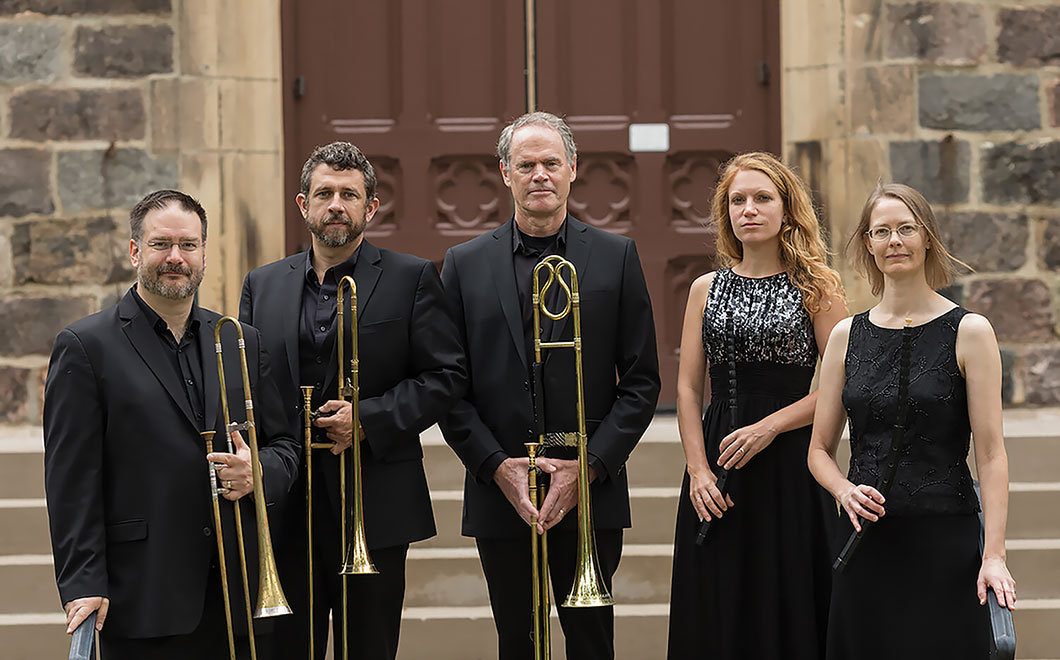
The Michigan State University College of Music concludes its 2025–2026 Taylor Johnston Early Music Series with two January concerts that spotlight the vibrant traditions of Renaissance and early Baroque Europe. Presented at Fairchild Theatre, these performances feature internationally recognized guest ensembles and offer audiences a vivid introduction to early music performed on era-specific instruments.
The first concert, Dark Horse Consort, “The Sounds of St. Mark’s,” takes place Tuesday, January 13, 2026, at 7:30 p.m. Returning to MSU for the first time since its 2018 appearance, Dark Horse Consort presents a program inspired by the musical traditions of St. Mark’s Basilica in Venice. Featuring works by Giovanni Gabrieli, Giovanni Picchi, and Dario Castello, the program highlights the ceremonial brass music of the late Renaissance and early Baroque, known for its bold contrasts, echo effects, and sense of musical space. Performed on period brass instruments, with strings, theorbo, and organ, the concert reflects the grandeur and drama that defined sacred music in Venice.

Ciaramella members, left to right: Mary Vanhoozer and co-directors Adam Knight Gilbert and Rotem Gilbert perform on historical instruments. The ensemble is known for its interpretations of medieval and early Renaissance wind music.
The series concludes with Ciaramella, “The Winds of the Renaissance,” on Friday, January 30, 2026, at 7:30 p.m., also at Fairchild Theatre. This program features Ciaramella, an ensemble dedicated to reviving the lively wind traditions of the 15th and 16th centuries. Drawing from medieval and early Renaissance repertoire, Ciaramella performs on historical instruments including shawm, sackbut, recorder, and hurdy-gurdy, bringing to life music once heard in courts, streets, and civic celebrations across Europe.
Together, these concerts reflect the Taylor Johnston Early Music Series’ commitment to presenting early music in ways that feel immediate, engaging, and closely connected to its historical roots. Through performance practices shaped by period instruments and source materials, both ensembles invite audiences to experience the character and color of early European music firsthand.
The Taylor Johnston Early Music Series is generously supported by the Taylor Johnston Early Music Series Endowment, established by the late Taylor Johnston, a longtime MSU professor whose passion for early music created a lasting legacy at the College of Music.
Tickets: Reserved seating tickets purchased at the door are $19 for adults, $17 for seniors (age 60 and older), and $9 for students with ID and anyone under 18. Tickets may also be purchased online or by calling (517) 353-5340; tickets purchased online or by phone include a $1.50 processing fee.
More information about the Taylor Johnston Early Music Series and other MSU College of Music events is available at music.msu.edu/events.

