A wide variety of performance opportunities await our students each year, with orchestras, bands, choirs and opera, jazz nonets and combos, small ensembles, and more.
A variety of programs and initiatives operate continuously or annually to enhance learning experiences and help students prepare for their future in music.
The MSU College of Music supports and challenges students, values innovation and creativity, and helps every community member achieve professional excellence.
The Michigan State University conducting program offers an intense, collaborative and comprehensive graduate degree program guided by renowned conductors and educators in band, orchestral and choral disciplines.
The conducting faculty at MSU believes all students in the program should develop their abilities by working with voice, winds, percussion and strings—regardless of their primary field of study. All students have access to private lessons with the entire conducting faculty, and podium opportunities with orchestras, wind ensembles, choirs, new music groups, jazz ensembles, small ensembles, and opera theatre. Students, too, can collaborate across conducting disciplines, and with various areas at the College of Music.
The Michigan State University conducting program offers an intense, collaborative and comprehensive graduate degree program guided by renowned conductors and educators in band, orchestral and choral disciplines.
The conducting faculty at MSU believes all students in the program should develop their abilities by working with voice, winds, percussion and strings—regardless of their primary field of study. All students have access to private lessons with the entire conducting faculty, and podium opportunities with orchestras, wind ensembles, choirs, new music groups, jazz ensembles, small ensembles, and opera theatre. Students, too, can collaborate across conducting disciplines, and with various areas at the College of Music.
The program focuses on three key skills: score study, efficient and pedagogically sound rehearsal techniques, and artistic leadership. Additional training is available in wind and choral literature, string bowing technique, jazz style and notation, and foreign language/diction study.
Graduates of MSU’s highly competitive conducting program are versatile, skilled, and future leaders of the conducting vocation. The area prides itself on advancing art, breaking barriers, and a robust, inclusive environment that springs from MSU’s rich legacy in orchestral, choral and band conducting.
The conducting area at MSU is led by a distinguished faculty of artistic conductors who stand together to foster an inclusive, creative and supportive environment for students to reflect and thrive through real-world experiences.
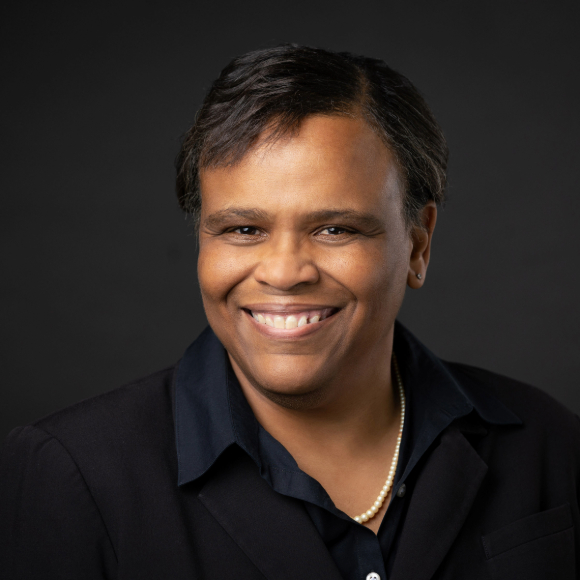
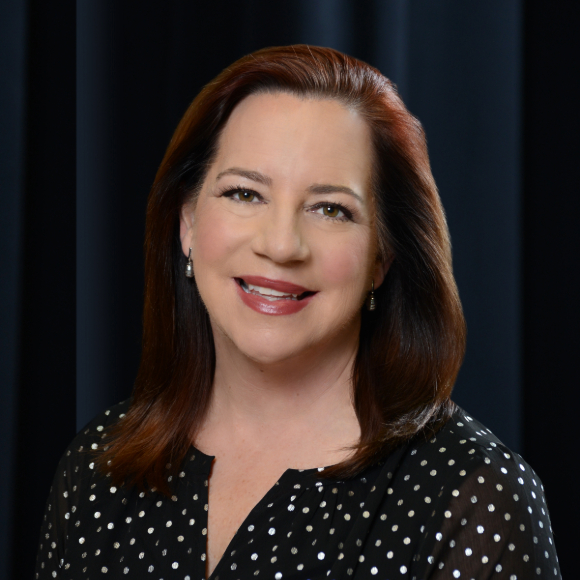
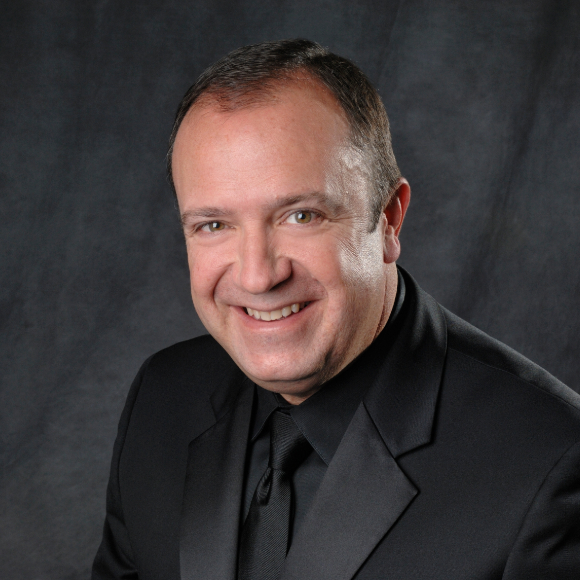
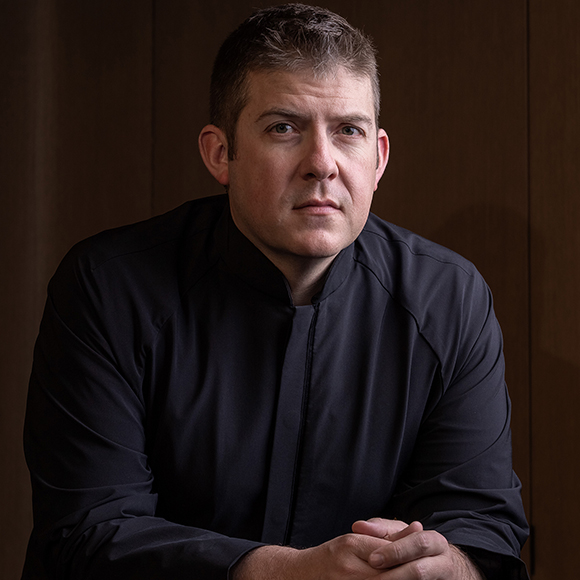
Derrick Fox
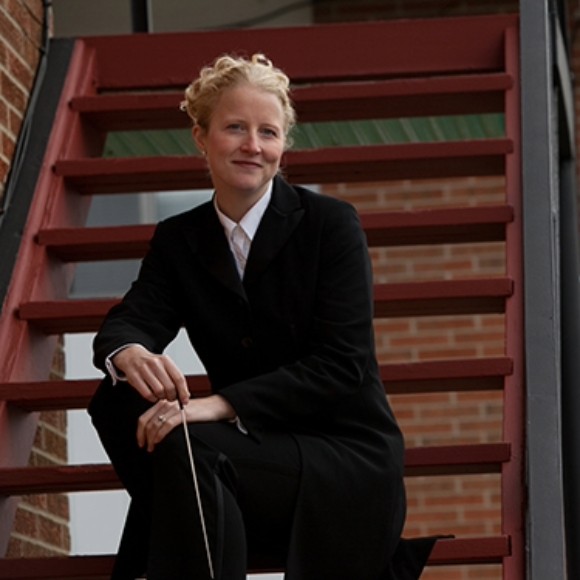
Arris Golden
Sandra Snow
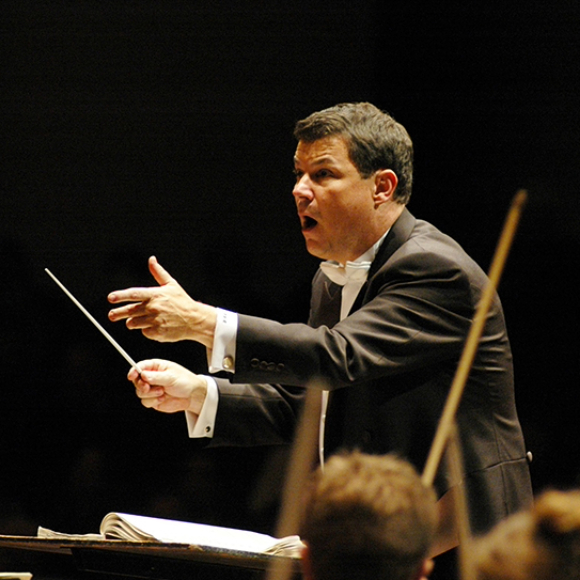
David Thornton Six contemporary works explore darkness and light, featuring a new song cycle by MSU composer David Biedenbender, alongside music by today’s leading voices.
The program, conducted by Arris Golden, features Tuttarana by Reena Esmail, Second Suite in F by Gustav Holst, Resting in the Peace of His Hands by John Gibson, Fallingwater at Twilight by James David, and His Honor by Henry Fillmore.
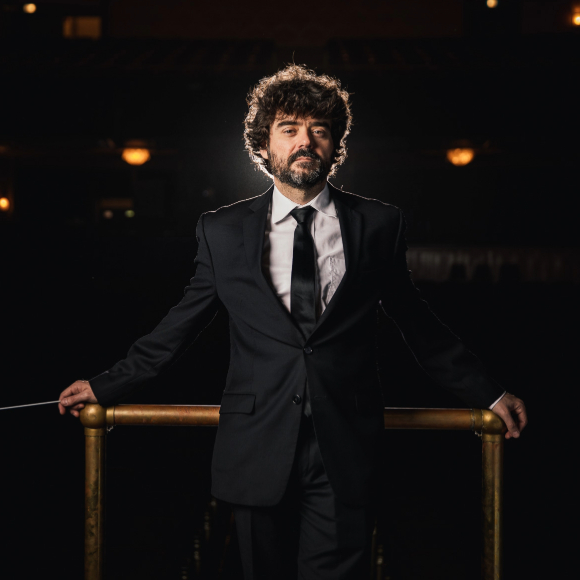
Conducted by Octavio Más-Arocas, the MSU Symphony Orchestra closes the season with an energetic program featuring Strauss’s Der Rosenkavalier Suite, Contreras’s Mariachitlán, Simon’s Hellfighters’ Blues, Ravel’s Boléro, and a student-composed Sam and Mary Austin Fanfare.
MSU Wind Symphony joins forces with various MSU choirs to present a powerful concert featuring works by guest composer Jake Runestad, including Proud Music of the Storm, A Silence Haunts Me, and a piece by MSU composer David Biedenbender.
An afternoon showcasing wind ensemble versatility with Bernstein’s Slava!, Profanation, and BSO Forever, plus works by Chambers, Yagisawa, Piunno, Sousa, and Newman, conducted by Dana Sedatole and David Thornton.
Conductor earns top faculty award at MSU for distinguished contributions.
Spartans bring a deep bench of talent to national choral conference.